Protecting your family’s online safety has never been more critical. With endless apps, social media platforms, and digital tools available, it can be challenging to ensure that everyone in your household uses the internet responsibly. One of the most effective ways to create a safer online environment for your family is by implementing a family online safety contract. While not legally binding, this tool establishes clear guidelines and expectations for internet use, fostering open communication and promoting responsible online behavior.
Keep reading to discover how to create a contract tailored to your family’s unique needs, what key rules to include, and how to make it an effective part of your digital parenting strategy.
What Is a Family Online Safety Contract, and Why Do You Need One?
A family online safety contract is a collaboratively created agreement outlining how the internet and digital devices will be used within your household. This isn’t about imposing strict rules but rather fostering a shared understanding of digital citizenship and creating a safe online space for everyone. Often referred to as a family internet agreement or family online safety pledge, the core idea remains the same: setting expectations for safe and responsible online behavior.
Why are these contracts important? They encourage open conversations about internet safety, hold children accountable for their online actions, and help families address potential risks before they escalate. With an online safety contract in place, families can proactively navigate the digital world, managing risks like cyberbullying, exposure to inappropriate content, and online scams.
Key Components of a Comprehensive Family Online Safety Contract
Creating an effective family online safety contract involves including key elements that address the most common challenges families face in the digital space. Here are some essential components:
- Protecting Personal Information
Emphasize that personal details such as full names, addresses, phone numbers, school names, and other identifying information should never be shared with online contacts. Encourage using screen names or usernames that do not reveal personal information. - Password Security
Teach the importance of strong, unique passwords for all online accounts. Family members should agree not to share passwords outside the immediate family. Parents should also be informed about any new accounts created or password changes. - Cyberbullying Prevention
Establish a clear stance against cyberbullying. Include rules that all family members will treat each other and online contacts with respect, refraining from hurtful language, sharing embarrassing content, or engaging in harmful behavior. - Screen Time Management
Balancing screen time with other activities is essential for mental and physical well-being. Agree on specific time limits for device use, and set boundaries for when devices should not be used, such as during meals, homework time, and before bedtime. - Interactions with Strangers
Address the risks of interacting with online strangers. Family members should avoid communicating with individuals they do not know offline. A critical rule is that children should never meet an online friend in person unless accompanied by a parent. - Dealing with Inappropriate Content
Specify steps to take if someone encounters inappropriate or upsetting content. Encourage children to log off immediately and inform a parent or trusted adult. - Downloading Apps and Software
Require parental approval before downloading new apps, games, or software to ensure they are age-appropriate and free from malware or other risks. - Social Media Usage
Outline acceptable behavior on social media platforms. Children should avoid adding people they don’t know in real life, and parents should have an understanding of their children’s online interactions. Balance monitoring with respect for privacy. - Open Communication and Trust
Foster an environment where family members feel comfortable discussing online experiences, including mistakes. Trust and mutual respect are key to addressing concerns without fear of judgment. - Location Sharing
Agree to turn off location-sharing features on apps and devices, as this can pose significant safety risks.
How to Create Your Family Online Safety Contract
Developing a family online safety contract is a collaborative effort. Here’s how to ensure it’s effective and meaningful:
- Involve Everyone
Include all family members in the discussion. This ensures everyone feels heard and increases their commitment to following the agreement. - Customize the Contract
Tailor the agreement to fit your family’s unique needs and dynamics. For example, younger children might require stricter guidelines, while teenagers may need more independence with clear boundaries. - Use Clear and Specific Language
Avoid ambiguous terms and ensure the contract is easy to understand for everyone. Define terms like “appropriate content” or “strangers” to prevent confusion. - Regularly Review and Update
Technology evolves rapidly, so it’s essential to revisit the contract periodically. Update it as your children grow older and as new apps, devices, or risks emerge. - Positive Reinforcement
Focus on promoting good online behavior rather than solely highlighting negative consequences. Celebrate milestones, such as a child demonstrating responsible digital habits.
Using Tools and Resources
Numerous resources are available to help families draft their online safety contracts. Many organizations offer templates that can be customized to meet your family’s needs, here are some examples. In addition, parental control tools can complement the agreement by providing an extra layer of protection. Tools like screen time trackers, app blockers, and content filters can help enforce the guidelines outlined in your contract.
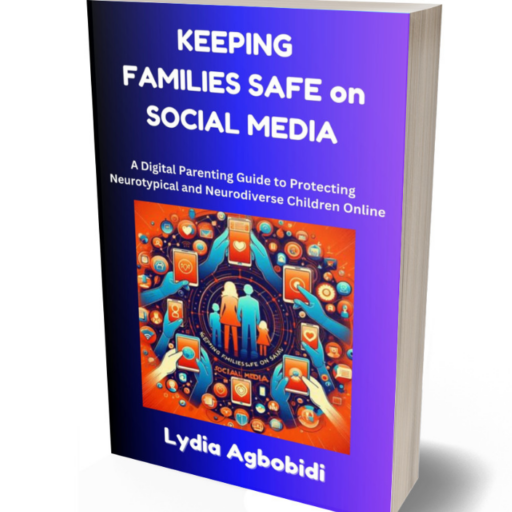
For more in-depth guidance, consider reading Keeping Families Safe on Social Media by Lydia Agbobidi. This comprehensive resource provides actionable tips and strategies for navigating the digital world safely.
Benefits of a Family Online Safety Contract
When implemented effectively, a family online safety contract can:
- Encourage Accountability: Everyone in the family understands their role in maintaining a safe digital environment.
- Promote Digital Literacy: Children and teens learn how to navigate the internet responsibly.
- Foster Open Communication: Family members feel comfortable discussing their online experiences.
- Reduce Risks: Proactively addressing potential dangers minimizes the likelihood of cyberbullying, scams, and exposure to harmful content.
- Strengthen Family Bonds: Working together on the contract fosters a sense of unity and mutual respect.
Example Family Online Safety Pledge
Here’s an example of what a family online safety pledge might look like:
Family Online Safety Pledge
As a family, we agree to:
- Protect our personal information and never share sensitive details online.
- Use strong, unique passwords and keep them private.
- Treat everyone online with respect and kindness.
- Limit screen time to promote a healthy balance of activities.
- Avoid interacting with strangers online.
- Report inappropriate content to a parent or trusted adult immediately.
- Seek permission before downloading apps or software.
- Use social media responsibly and respect each other’s privacy.
- Keep location-sharing features turned off to protect our safety.
- Talk openly about online experiences and challenges.
Signed:
[Parent/Guardian Name(s)]
[Child(ren) Name(s)]
Date: [Insert Date]
A family online safety contract is more than a set of rules—it’s a framework for building trust, promoting accountability, and creating a safer digital environment. By working together to draft and uphold this agreement, your family can confidently navigate the digital world while minimizing risks.
Ready to create your own family online safety contract? Explore customizable templates and resources available online, and start the conversation with your loved ones today. Together, let’s make the internet a safer place for all families.
Frequently Asked Questions: Family Online Safety Contracts
- What is a family online safety contract?
- A family online safety contract is a collaboratively created agreement between family members that establishes clear guidelines and expectations for internet and device use. It’s a tool to promote open communication and ensure everyone understands how to be responsible online. This is also sometimes called a family internet agreement or family online safety pledge.
- Is a family online safety contract a legally binding document?
- No, it is not a legally binding contract. Instead, it is a set of agreed-upon guidelines to foster a safe and responsible online environment within the family.
- Why is a family online safety contract important?
- It facilitates open conversations about internet safety and cyber safety, encourages children to be more accountable for their actions online, and proactively manages potential online risks. It helps to protect children from online dangers and encourages positive digital citizenship.
- What are the main benefits of having a family online safety contract?
- The primary benefits include promoting open communication about online behavior, establishing clear boundaries and expectations, and creating a shared sense of responsibility for online safety. It can also prevent misunderstandings and conflicts related to internet usage.
- What kinds of rules should be included in a family online safety contract?
- Key rules typically include:
- Protecting personal information: Not sharing names, addresses, phone numbers, school details, or other personal information with online contacts.
- Password security: Keeping passwords private and not sharing them with anyone outside of the immediate family.
- Cyberbullying prevention: Treating others with respect and not engaging in hurtful online behavior or language.
- Screen time management: Balancing time spent online with other offline activities.
- Interactions with strangers: Avoiding contact with people one does not know in the real world.
- Handling inappropriate content: Logging off and informing parents about upsetting content.
- Downloading apps/software: Seeking parental permission before downloading anything.
- Social media usage: Not adding or communicating with people you don’t know offline20. Parents should ask permission before commenting on content posted by their children.
- Open communication and trust: Engaging in open and honest conversations without judgment.
- Location sharing: Agreeing to turn off location sharing when posting online.
- Key rules typically include:
- Why is it important for both parents and children to participate in creating the agreement?
- Involving everyone fosters a sense of ownership and makes it more likely that the rules will be followed. It also encourages ongoing discussion and establishes trust, which is essential for open communication about online issues.
- How can we make sure the contract is followed?
- Regularly review the contract as a family. Also, make it a part of your ongoing conversations about online safety. Ensure that all members of the family agree to the rules and are comfortable with the boundaries set.
- What if the contract is broken?
- If the agreement is broken, use it as a chance to discuss what happened, why, and how to avoid it in the future. Focus on open communication, not punishment.
- • How often should we review our family online safety contract?
- The agreement should be reviewed and updated periodically to accommodate changes in technology or a child’s evolving understanding and needs. Make sure you agree on how long it should be before the next review.
- Where can I find resources or templates to help create a family online safety contract?
- Several organizations offer resources and templates. You can also check the resources from the Family Online Safety Institute (FOSI). Many other websites have sample pledges and contracts that can be adapted.
- Are there different contracts for different age groups?
- Yes, some organizations offer specific agreements for different age groups, such as for kids under 10, teens, and parents. It’s important to tailor the contract to the specific needs and understanding of each family member. There may be different agreements for different members of the household, based on age and ability to understand the risks.
- Besides a contract, what else can parents do to ensure their child’s safety online?
- ◦ In addition to having an agreement, parents should actively participate in their child’s online world. This includes getting familiar with the apps and sites their children use, setting appropriate safety and privacy settings, installing filtering and blocking software, and regularly checking where their children have been online. Ongoing discussions about responsible online behavior are also essential. Parents should also model good digital habits.
- Should we focus on the negative or positive aspects of online behavior?
- Focus on promoting positive online behavior, not just the negatives. Encourage good digital citizenship and responsible internet use.
- What if my child is hesitant to sign a contract?
- Approach the contract as a collaborative effort, not a top-down imposition. Make sure the child understands the reasoning behind each rule. Encourage them to express any concerns and adjust the rules to accommodate the needs of all family members.
- What should the contract say about meeting people from the internet in person?
- The contract should clearly state that a child should never meet someone in person that they have only met online without parental approval and presence.
- Should we include rules about screen time in the contract?
- Yes. Balancing screen time with other activities is essential for a child’s overall well-being11…. Set clear limits for device use during the day, and specify when they may not use devices.
- Is it important to have rules about privacy settings on devices and apps?
- Yes. Make sure that all accounts are set to private20 and use privacy settings and parental controls as needed.
Click here to download online family contracts now!