AI-Powered Romance Scams: How to Spot Deepfakes and Protect Yourself
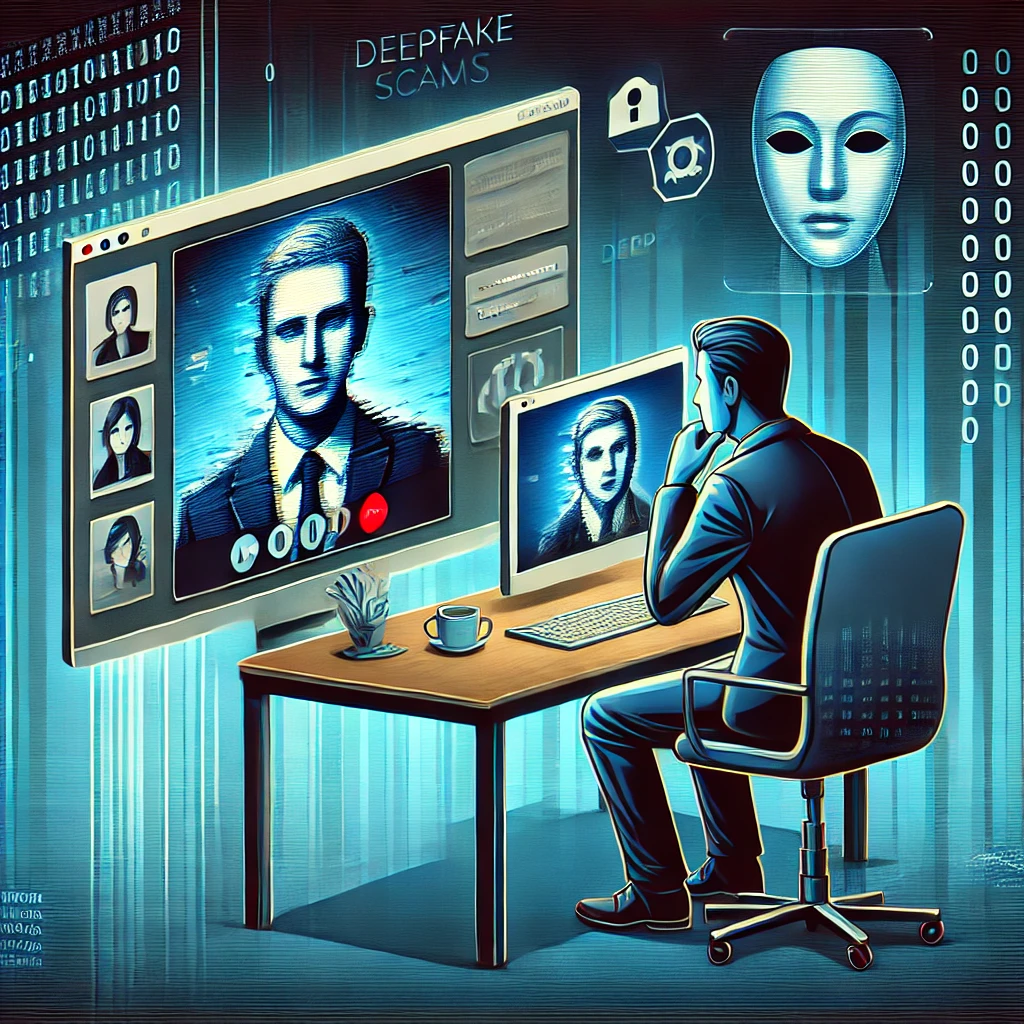
Are you worried about AI-enabled romance scams and deepfakes? It’s crucial to recognize the signs and understand how these scams work. Deepfakes make it harder to know who is real, and anyone can be a target. Don’t fall victim: stop, think, and verify before taking any action. Learn more about how to spot these scams, what to do if you’re targeted, and how to protect yourself with AI-enabled security tools. Keep reading for in-depth information and resources to stay safe.
Imagine discovering that the celebrity you’ve been chatting with online for months, the one who seems to understand you so well and sends you beautiful love poems, is actually a fraud. This isn’t a plot from a movie; it’s the reality for a growing number of people falling victim to AI-enabled deepfake romance scams. In one recent case, a French woman was conned out of €830,000 by scammers posing as actor Brad Pitt. These scams are becoming more sophisticated, leveraging artificial intelligence (AI) to create incredibly realistic images, videos, and even audio, making it harder than ever to distinguish fact from fiction. This article aims to educate you on how these scams work, how to recognize them, and what steps you can take to protect yourself from these increasingly common threats.
Understanding How These Deepfakes Scams Work
Scammers often begin by making initial contact through social media, falsely presenting themselves as a celebrity or someone they are not. Once contact is made, the scammers use emotional manipulation and grooming tactics to gain your trust. They may send love poems, personalized messages, or feign deep interest in your life to create a false sense of connection. The goal is to make you feel special and build a relationship, so that you become more vulnerable to their eventual requests.
A critical component of these scams is the use of deepfakes. These are AI-generated images, videos, and audio that can make it seem like the scammer is the person they claim to be. Scammers can use readily available tools to create realistic-looking synthetic images in a matter of minutes. There are even groups dedicated to creating deepfakes, with some having over 100,000 members. The speed and ease with which these deepfakes can be created is alarming. They can even create face swap repositories making it very hard to tell what is real or not. To further their deception, scammers exploit empathy by creating and sending fake photos of the celebrity in distress, such as in a hospital bed. This is often a prelude to asking for financial assistance. Eventually, these scammers will ask for money, often citing fabricated reasons like needing help to pay for travel, gifts, or medical expenses.
Deepfakes: How to Recognize Red Flags and Warning Signs
Being aware of certain warning signs can help you spot a scam before it’s too late. Here are some common red flags to look for:
- Unsolicited Contact: Be suspicious of unexpected messages, especially from people claiming to be famous or wealthy.
- Requests for Money: Any request for money should be a major red flag. Be particularly wary if the person claims to have difficulties accessing their own funds.
- Inconsistencies: Be alert for any inconsistencies in the scammer’s story or behavior. If something doesn’t add up, trust your instincts.
- Too Good to Be True: If a situation seems too perfect or unrealistic, it’s likely a scam.
- Urgency: Scammers often try to create a sense of urgency to pressure victims into making quick decisions.
- Lack of Social Media Presence: Many actors do not have an active social media presence. If they contact you on social media it should raise suspicions.
- The Heart vs. Logic: Remember that even though it may seem illogical, the heart can make people vulnerable to these scams.
Detecting Deepfakes
Detecting deepfakes is becoming more difficult as the technology improves. While there are some techniques that can be used, it is important to understand the limitations. You should focus more on the content and message of the communication, and not just the images. Instead of asking “is that AI?”, ask yourself “is that BS?” or “is this trying to be maliciously deceptive?”.
Here are a few other methods, with the caveat that they are becoming less reliable: - Look for Inconsistencies: Some deepfakes may still contain subtle flaws, such as blurred areas, unnatural movements or other subtle digital artifacts. However, it is important to note that these flaws are becoming harder to spot.
- Unusual Requests: Requesting a very specific photo or video can help to verify someone’s authenticity. However, scammers are getting better at quickly creating realistic images to meet the request.
What to Do if You Suspect a Scam
If you think you’re being scammed, taking the right actions quickly can help prevent further harm. Here are some steps you can take: - Stop and Think: Before reacting to any unexpected messages, pause and think. Don’t be rushed into any decisions, and don’t allow yourself to become emotional.
- Verify the Sender: Verify the identity of the sender through other means before taking any action or sharing sensitive information. Don’t rely solely on the information they provide to you.
- Consult Trusted Sources: Seek advice from trusted friends, family members, or cybersecurity experts.
- Report the Scam: Report the scam to the appropriate authorities to help prevent others from becoming victims.
AI-Enabled Scams Beyond Romance
While romance scams are a significant problem, AI-enabled scams extend to other areas as well. It is important to be aware of these as well: - Phishing Kits: AI is increasingly being used to create sophisticated phishing kits.
- Biometric Spoofing: Malware can steal faces and use them to spoof identity for biometric authentication in order to steal money.
- Business Impersonation: Deepfakes are also used to impersonate business leaders to conduct fraudulent transactions. One example is of a finance worker who was tricked into transferring $25 million to criminals who used deepfake technology to pose as company’s chief financial officer.
Defensive Strategies and Solutions
Fortunately, there are defensive strategies and tools that can help you stay safe: - Security Awareness Training: Participate in security awareness training programs to learn how to identify scams.
- Multi-Factor Authentication (MFA): Use multi-factor authentication whenever possible, especially when accessing sensitive information or transferring money.
- Biometric Authentication and Physical Tokens: According to U.S. government guidelines, biometric authentication should be paired with a physical authentication token for better security.
- Liveness Detection Technology: Consider using software with liveness detection technology, which can verify if a person is real during online interactions.
- Videosign and Other Security Measures: Companies like Videosign offer tools and services that use various security measures to protect users from AI scams.
The Human Element
It’s important to understand that everyone is susceptible to scams, regardless of their intelligence or background. Scammers are masters of emotional manipulation and exploit human vulnerabilities. They use carefully chosen words to create a sense of connection with their victims, which makes people vulnerable even though they know it might be a scam. Remember, it is not just your intelligence that matters, but how you react to situations and the specific words they use.
The good news is, we humans are a resilient bunch. We can learn to spot scams, and cybersecurity tools will continue to improve to fight against AI-enabled fraud.
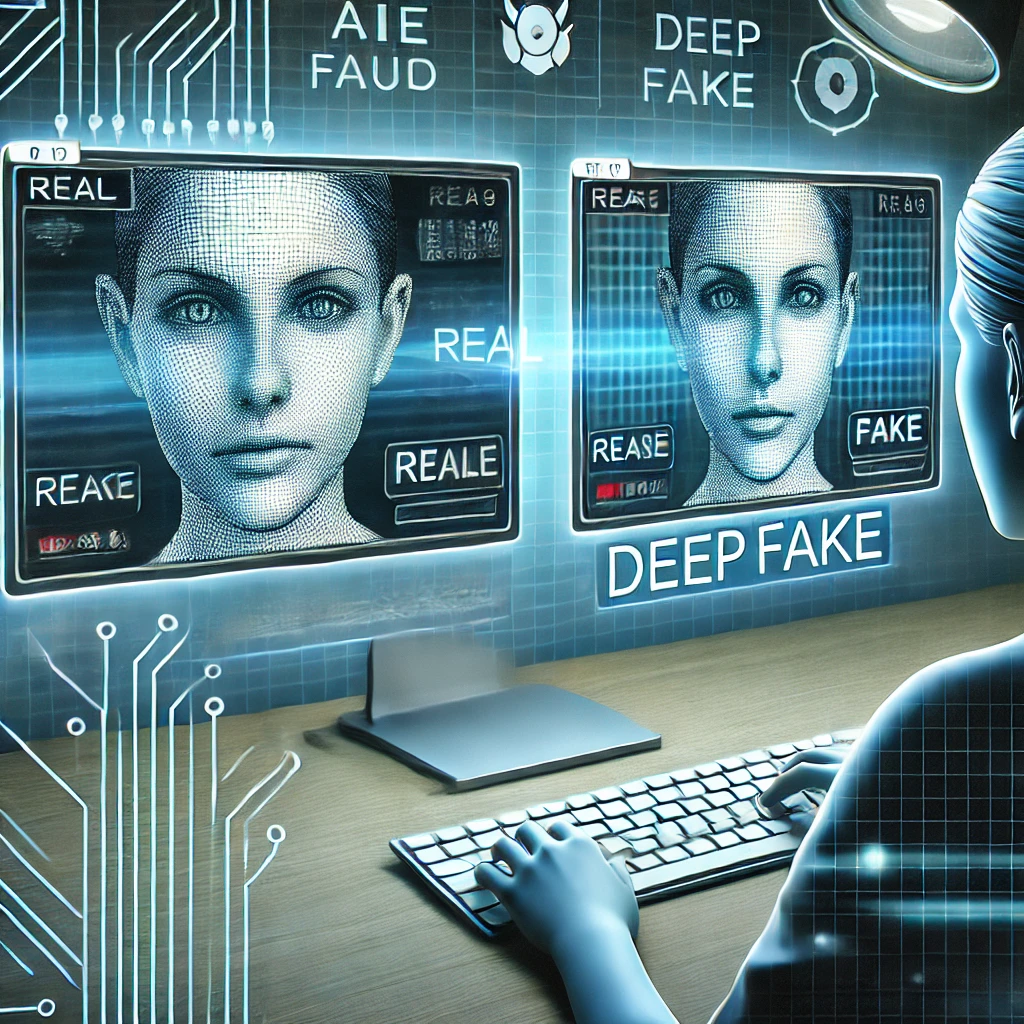
The era of easy deepfakes is here to stay, making it essential to remain vigilant and aware of the risks. While technology is constantly evolving, so too is the ability of humans to adapt. You can protect yourself from these threats by focusing on the content of messages and remaining skeptical of unexpected requests rather than simply relying on technology. Share this information with your friends and family to help them stay safe as well. Resources like KnowBe4, Perry Carpenter’s book FAIK: A Practical Guide to Living in a World of Deepfakes, Disinformation, and AI-Generated Deceptions*, and Videosign can also provide valuable information and tools to help you protect yourself and your loved ones.
This article is designed to be informative and comprehensive, covering all of the key topics in your outline and providing a solid resource for anyone wanting to understand and protect themselves from AI-enabled romance scams.
Using Positive Reinforcement to Recognize and Avoid Deepfakes and AI Scams
Goal: To empower individuals to recognize and avoid AI-enabled romance scams and deepfakes through positive reinforcement and practical steps.
Step 1: Deepfakes: Introduction and Awareness (Positive Framing)
- Explain the concept of AI-enabled scams: Start by framing the discussion positively. For example, “AI is a powerful tool that can be used for many good things. However, like any tool, it can be misused.”
- Highlight the increasing prevalence of deepfakes: “It’s important to understand that AI technology is becoming more common, and that means we all need to be a bit more careful online.”
- Emphasize that anyone can be targeted: “These scams can happen to anyone. Being aware is the first step to staying safe.”
Step 2: Deepfakes: Recognizing the Red Flags (Scenario-Based Positive Feedback)
- Present scenarios: Use hypothetical situations to demonstrate scam tactics. For example: “Imagine you receive a message from a celebrity on social media, saying they are in love with you. What would you do?”
- Positive reinforcement for identifying red flags: When participants identify a red flag (e.g., an unexpected message, a request for money, or too good to be true scenario) give positive reinforcement: “That’s right! It’s great that you recognized that.”
- List the typical red flags:
◦ Unexpected contact: “Be wary of any unexpected messages, especially if they’re from someone you don’t know or a celebrity.”
◦ Requests for money: “Any request for money, no matter how urgent, should be a major red flag.”
◦ Too good to be true: “If the situation seems too perfect, it’s likely a scam. Celebrities don’t normally reach out to individual fans for romance.”
◦ Emotional manipulation: “Scammers will often try to pull at your heartstrings, creating a sense of urgency or using emotional language.”
◦ Suspicious media: “Be alert for photos, videos, or audio that seem a bit off, especially if you’re asked to do something you wouldn’t normally do.”
Step 3: Practical Steps: STOP, THINK, and VERIFY (Positive Action-Oriented Approach)
- Introduce the STOP, THINK, and VERIFY method: “When you receive an unexpected message or request, the first thing to do is STOP. Don’t react immediately, and take a moment to THINK before acting.”
- Emphasize verification: “Instead of reacting to emotional appeals, VERIFY the information.”
◦ Verify through alternative channels: “If someone asks for money via message, contact them through another verified means, such as a phone number you already know. Don’t trust a number sent to you in the suspicious message.”
◦ Be skeptical of media: “Be aware that any audio, image, or video can be faked. Focus on the content and whether or not it is asking you to do something you normally wouldn’t.” - Positive reinforcement for following steps: “Excellent! You are taking the right steps by verifying the information.”
Step 4: Understanding AI and Deepfakes (Debunking Misconceptions)
- Explain that AI is widely used: “Remember that many online tools use AI and that AI-generated content doesn’t automatically mean a scam.”
- Focus on content, not AI detection: “Instead of focusing on whether something is AI, concentrate on whether the message is trying to deceive you.”
- Share that even experts can be fooled: “Even AI experts can have a hard time telling what’s real. The important thing is to be careful and to watch out for suspicious behavior.”
Step 5: Deepfakes: Reinforcement and Resources
- Regular reinforcement: Provide ongoing reminders of the steps and red flags through quizzes or mini-scenarios.
- Share resources: Provide links or brochures with resources for additional information and support.
- Positive conclusion: Reiterate the importance of vigilance and confidence: “By following these steps, you can greatly reduce your risk of falling for these scams. We believe in you!”

Key points from “Keeping Families Safe on Social Media” by Lydia Agbobidi
The growing threat of online scams, particularly those using AI-enabled deepfakes, makes it crucial for individuals to be vigilant and informed. As discussed in the sources, scammers are now utilizing AI to create incredibly realistic fake videos, images, and audio to manipulate victims. This is especially prevalent in romance scams, where fraudsters build emotional relationships with their victims to solicit funds. A recent, well-publicized case involved a French woman who lost €830,000 to scammers posing as Brad Pitt. The advice from experts is to focus on the message and whether it is trying to manipulate or deceive, regardless of its source, and not to focus on whether the content is AI-generated. These types of online dangers not only impact adults, but also extend to younger social media users and children, making it vital that families are prepared with the knowledge and skills to navigate social media safely. This is where resources like Lydia Agbobidi’s book, “Keeping Families Safe on Social Media,” can be a valuable tool for families to learn how to identify and avoid these dangers.
If adults are falling for these sophisticated scams, what hope do we have if we’re not actively helping them, especially our children? Anyone is susceptible to scams. The problem is not just that the technology is getting better, it is that the core methods of scams remain the same; an unexpected message, a request for money, a sense of urgency or heightened emotion. Scammers are using AI to make it easier to pull off their deceptions. A deepfake video, picture, or audio can be created in just a few minutes. It is no longer effective to try to detect if something is AI-generated. It is more important to focus on the content of the message and if it is trying to be maliciously deceptive. Therefore, we need to stay informed and ready to protect ourselves and our children.
Here are the key points to keep in mind to stay safe:
- Be suspicious of unexpected communications, especially those that ask for money or personal information, or that push you to do something out of the ordinary.
- Always verify requests through alternative means, such as calling a known phone number or speaking in person.
- Use the STOP, THINK, and VERIFY method before reacting to any unexpected request.
- Understand that AI is being used to enhance, alter, and create realistic videos, images, and audio. It is less important if the content is AI, and more important if it is trying to deceive you.
- Be aware that any audio, image, or video can be faked.
By understanding the methods that scammers use and being aware of the ways that AI is being used in scams, we can be better prepared to avoid becoming victims. Let’s make sure we are also protecting your children read Healthy Screen Time for Kids: How to Find The Right Balance? – Safe Family On Social Media and Online
Deepfakes: Frequently Asked Question
Q: What is a romance scam, and how are AI-enabled deepfakes used in them?
A: Romance scams involve fraudsters building emotional relationships with victims online, using fake profiles and identities. AI-enabled deepfakes are used to create realistic fake videos, images, and audio of people, including celebrities, to make the scam more believable. Scammers might use deepfakes to show a celebrity supposedly interacting directly with a victim.
Q: How do deepfakes make it harder to detect romance scams?
A: Deepfakes increase the believability of scams. Scammers can quickly create tailored content, like videos of celebrities speaking and acting, making it harder for victims to realize they are being manipulated. In the past, scammers had difficulty fulfilling specific requests, but now AI can generate content in minutes.
Q: Can you give an example of a real-life deepfake romance scam?
A: Yes. A French woman was targeted in a scam involving someone posing as Brad Pitt. The scammer initially contacted her pretending to be Pitt’s mother and then “Brad Pitt” himself contacted her. Over a year and a half, she received messages, AI-generated photos, and even a fake news report featuring a deepfake anchor claiming he was in a relationship with her. The scammer convinced her to send money for various reasons, including fake medical treatments and customs fees, costing her €830,000.
Q: What are some of the tactics scammers use with deepfakes in romance scams?
A: Scammers use deepfakes to create a more convincing persona. They often use AI-generated images or videos of the person they’re impersonating to build trust and emotional connection. They may use fake news reports or photos of the purported person in a hospital bed to solicit funds. They also send love poems, also possibly AI-generated, to further manipulate their victims. Scammers will often attempt to escalate the situation quickly, asking for money for various false reasons.
Q: Is there any way to detect deepfakes?
A: While AI-powered tools can detect AI-generated content, they are not a foolproof solution. Many legitimate applications now use AI to enhance and alter media. It’s more important to focus on the content and if it is trying to be deceptive rather than whether it was AI-generated.
Q: What is the best advice for avoiding scams, especially those using deepfakes?
A: The best approach is to be suspicious of unexpected communications, especially those asking for money or personal information. You should stop and think before reacting emotionally or taking any action. Verify requests through alternative channels, such as calling a known number for that person. Focus on whether the message is trying to manipulate or deceive you, regardless of its source.
Q: What other types of scams are using deepfake technology?
A: Besides romance scams, deepfakes are also used in business email compromise (BEC) scams. Scammers use deepfake voice and video to impersonate high-level employees to authorize fraudulent money transfers. They are also used to manipulate bank facial recognition systems.
Q: What security measures are being developed to combat deepfake fraud?
A: Some companies are developing “liveness detection” technology, which analyzes images to confirm a user is a real person. They may analyze for 3D depth to verify that a person is not a deepfake. Biometric verification from passports or banking credentials are also being used to confirm user identities. Multi-factor authentication, such as physical tokens with biometrics, is another approach.
Q: What is the key takeaway about the future of scams and AI?
A: The core methods of scams remain the same, such as unexpected messages and requests for money. Technology, however, makes the scams easier to pull off. It is important to maintain a healthy sense of skepticism about what you see and hear, and verify information through alternative channels. Instead of asking “Is this AI?”, ask “Is this legitimate?”.
Q: What should you do if you think you have been targeted?
A: If you have been targeted, stop communicating with the suspected scammer, and do not send any money. Contact the police or other law enforcement. You can also seek support or resources for victims of online scams.